

Why EPDM vs tPO Perform Differently in Houston
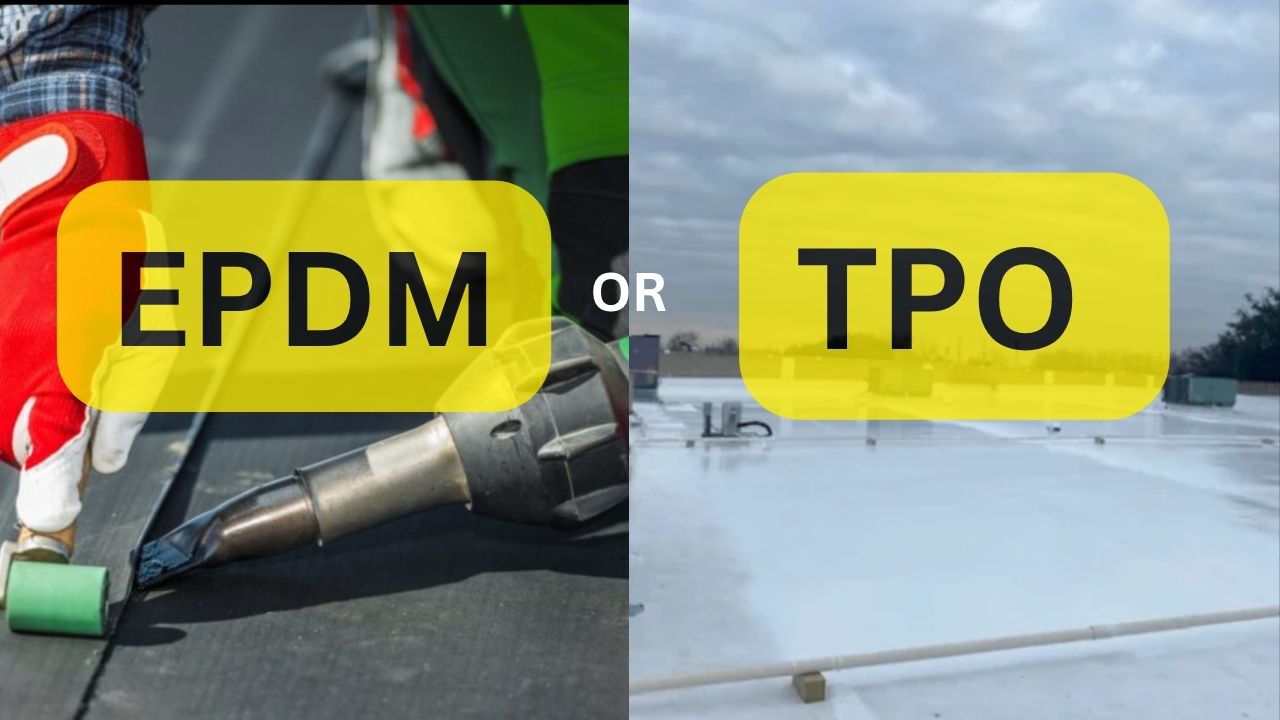
The moment Houston heats up, the gap between TPO and EPDM becomes impossible to ignore.
One of these membranes adapts to temperature swings without fighting the building. The other tightens, shrinks, and stresses itself into long-term problems.
The encouraging part is that once you understand how these two systems behave in Houston, choosing the right one becomes much easier.
Key Takeaways
- The moment your roof starts working against itself
- The hidden stress Houston heat builds every day
- The roofing cost surge most owners overlook for years
- The install flaw that quietly ruins roofs everytime
How Houston’s Heat Separates TPO and EPDM Fast
How Houston’s heat separates TPO and EPDM fast becomes clear the moment rooftop temperatures spike. Houston roofs can exceed 150 degrees on summer afternoons, and that intense heat forces materials to expand, move, and flex.
TPO handles the movement well. It stretches with the building and stays flexible through temperature swings.
EPDM behaves differently. It absorbs heat and tightens, which leads to shrinkage that slowly pulls at seams, walls, and penetrations.
This early movement difference becomes one of the biggest long-term factors in performance.
How EPDM Shrinkage Creates Long-Term Problems in Houston
How EPDM shrinkage creates long-term problems in Houston ties directly to the city’s heat cycles. As EPDM tightens, it pulls away from edges, flashings, and drains, creating tension points that eventually open leak paths.
Over time, even a small amount of shrinkage multiplies. The roof begins pulling inward, contracting across large areas, and stressing seams that were previously secure.
TPO avoids this issue because it expands rather than shrinks, reducing pressure on seams and edges.
Why TPO Handles Temperature Swings Better
Why TPO handles temperature swings better becomes obvious when looking at the material’s flexibility. TPO is engineered to stretch without losing shape, which helps it absorb the daily expansion and contraction that Houston roofs experience.
This flexibility reduces long-term stress and limits seam fatigue, two common causes of premature failure in older roofing systems.
For properties dealing with rapid temperature changes, this advantage becomes a major benefit over time.
Moisture Impact: Where Houston Humidity Changes Everything
Moisture impact becomes a deciding factor once humidity creeps into the system. EPDM’s adhesive-based seams soften when humidity rises, making the membrane more vulnerable to separation or water migration.
TPO’s welded seams stay intact through humidity changes, preserving their bond even when moisture levels climb.
In a climate where humidity is high nearly year-round, this difference influences long-term reliability.
The Cost Differences That Show Up Long After Installation
The cost differences that show up long after installation often surprise building owners. A roof’s initial price is one thing. The long-term cost of shrinking seams, heat-driven stress, and repeated patchwork repairs tells a different story.
TPO reduces energy use through heat reflection and typically requires fewer leak repairs as it ages.
EPDM can demand persistent attention when shrinkage begins, leading to higher maintenance costs every year.
For many buildings, the long-term financial difference becomes substantial.
How Installation Skill Defines the Life of Both Systems
How installation skill defines the life of both systems is clear once you look at the details. EPDM requires perfect placement, accurate edge terminations, and proper adhesive management to slow shrinkage and extend membrane life.
TPO requires clean welds, proper insulation layout, and correct temperature settings. When the crew gets those factors right, the membrane forms a strong, consistent system.
A skilled installer amplifies the strengths of either system. A poor installer magnifies the weaknesses.
Where Each Roof System Performs Best in Houston
Where each roof system performs best in Houston depends on the property type, environment, and long-term goals.
TPO excels on buildings with high cooling demand, intense sun exposure, and the need for predictable maintenance. Large commercial roofs, warehouses, retail centers, and medical facilities benefit most.
EPDM may still make sense on smaller roofs that experience less heat stress or on properties where initial cost is the primary concern.
Most Houston buildings, however, align better with the strengths of TPO.
How TPO and EPDM Behave Across Houston Properties
How TPO and EPDM behave across Houston properties creates a pattern roofing contractors see year after year. EPDM shrinkage shows up consistently, especially on older or poorly maintained systems.
Edges pull. Seams stress. Flashings detach.
TPO maintains flexibility, holds welds, and adapts to Houston’s movement-heavy environment more predictably.
These patterns repeat across buildings of every size and type.
Why TPO Works Better for High-Use Commercial Facilities
Why TPO works better for high-use commercial facilities relates to installation speed, cooling efficiency, and long-term stability. Facilities that cannot slow operations appreciate how easily TPO installs and how quickly repairs can be completed.
There are no strong odors, minimal disruptions, and fewer long-term maintenance surprises.
For buildings that operate daily without downtime, TPO becomes the practical choice.
A Roofing Choice That Stays Reliable When Houston Pressures It
A roofing choice that stays reliable when Houston pressures it must be able to stretch, move, and maintain its seams through heat, humidity, and sudden temperature shifts. TPO fulfills that requirement more consistently than EPDM.
Commercial Roof Repair Solutions installs TPO with precision and attention to Houston’s unique demands, helping owners and managers reduce surprises and protect their investments.
If your building needs a honest evaluation or a long-term improvement plan, they are ready to help with clarity and confidence.
About The Commercial Roofing Specialist

Chris Jokerst – Houston’s Trusted Commercial Roof Repair Specialist
When it comes to protecting your business, your roof isn’t just another structure—it’s your first line of defense. For over 16 years, Chris Jokerst, owner of Commercial Roof Repair Solutions in Houston, TX, has built a reputation as a true expert in commercial roofing repair and roof restoration.
With millions of square feet of commercial roofing systems installed and countless repairs completed, Chris has earned the trust of property owners and managers across Houston and beyond.
Experience That Speaks for Itself
Chris began his career the old-fashioned way—by learning from seasoned roofing professionals and putting in years of hands-on work. From apprenticeships to leading major projects, he developed a deep understanding of what makes a roofing system last. Today, he brings that same dedication to every job, whether it’s a small leak repair or a full commercial roof replacement.
Why Houston Businesses Choose Chris
* Proven Expertise: 16+ years specializing in commercial roofing repair and roof restoration.
* Dependability: Fast, effective solutions that minimize downtime and prevent costly damage.
* Honesty & Integrity: Transparent recommendations with your best interest in mind.
* Quality First: Only the highest-grade materials and modern techniques.
Chris understands that a roof leak is more than an inconvenience—it’s a threat to your business operations and bottom line. That’s why he approaches every project with precision, urgency, and a commitment to excellence.
Questions about your roof? Call Commercial Roof Repair Solutions at (281) 928-4428 for friendly guidance or a free, no-obligation quote.
