

Why PVC and TPO Behave Differently in Houston
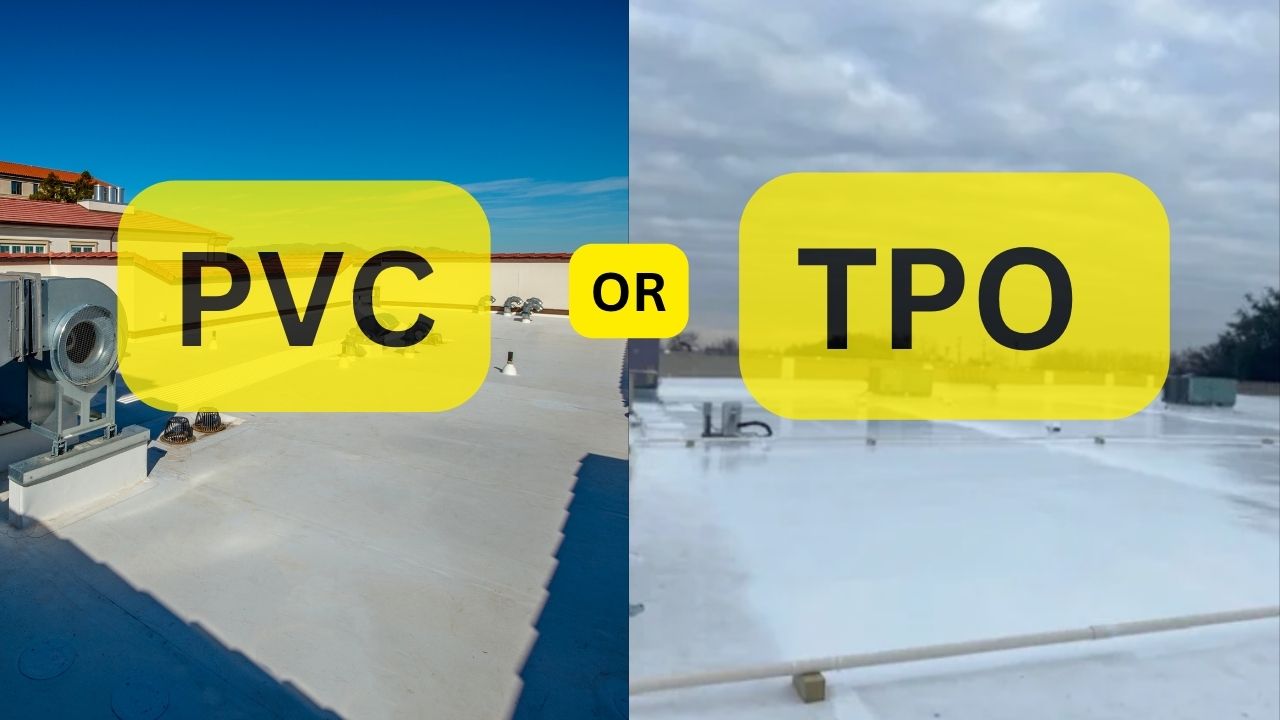
Houston roofs face pressure every day that most systems are never designed for. Some membranes soften when temperatures spike, others stiffen as they age, and both PVC and TPO react differently once they are exposed to months of direct sunlight and rapidly shifting weather.
One of these systems tends to stay stable through those swings. The other develops weaknesses that only show up once the roof is already under stress.
If you want a clear picture of which material delivers fewer surprises and more long-term durability in real Houston conditions, this comparison walks you through everything you need to know without the guesswork.
Key Takeaways
- Which membrane handles Houston’s extreme heat without slowly giving out?
- How humidity changes the performance of PVC and TPO in ways owners rarely see.
- The real lifespan difference these roofs show in Houston, not on paper.
- The installation factors that create long-term stability most people overlook.
The Heat Challenge That Separates PVC and TPO
The heat challenge that separates PVC and TPO becomes clear once you see how each membrane responds to extreme rooftop temperatures. Houston roofs routinely exceed 150 degrees, and that kind of intensity exposes weaknesses fast.
TPO stays flexible during these swings, allowing the membrane to move with the building without stressing its seams. PVC, especially older formulations, becomes rigid over time and can struggle to adapt to Houston’s daily temperature shifts.
This difference is why performance gaps begin to emerge long before warranties expire.
How Houston Humidity Impacts Both Systems
Houston humidity impacts both systems in ways that are not always visible early on. Moisture moves into small openings, weak spots, and surface imperfections, and it gradually affects each material differently.
PVC becomes more prone to stiffness as it ages in high-humidity environments. Over time, this can lead to cracking in areas exposed to intense heat and moisture.
TPO remains more stable because it does not rely on additives to stay flexible. This helps it maintain its shape and performance longer in Houston’s moisture-heavy climate.
Real-World Heat Performance: What Owners Notice First
Real-world heat performance is often the first difference building owners notice once summer arrives.
TPO stays cooler throughout the day.
Its reflective surface helps reduce rooftop temperatures, easing the strain on HVAC units and supporting more efficient cooling.
PVC frequently runs hotter.
Although newer PVC membranes are more reflective than older versions, the material still tends to retain more heat under extended sun exposure.
This matters for energy usage and long-term material stability.
Durability Under Houston’s Daily Temperature Swings
Durability under Houston’s daily temperature swings becomes a long-term test for both systems. Heat causes expansion. Cooler nights cause contraction. This repeated motion stresses materials that cannot flex consistently.
TPO was engineered to stay flexible through these cycles, which helps reduce cracking and seam stress.
PVC becomes more rigid as it ages in this climate, increasing the likelihood of fractures or surface failures.
For buildings experiencing constant movement, TPO tends to hold shape and performance longer.
The Long-Term Cost Comparison Facility Managers Should Focus On
The long-term cost comparison facility managers should focus on goes beyond the installation price. Maintenance frequency, leak prevention, and energy usage create the real difference in cost over time.
TPO typically produces fewer long-term seam issues.
Its welded seams form strong bonds that resist movement and moisture.
PVC often needs attention earlier.
Stiffening in heat-heavy environments increases the chances of cracks or surface fatigue, leading to more repairs.
TPO delivers reliable cooling savings.
Lower rooftop temperatures reduce HVAC strain and keep costs down during peak heat months.
When budgets depend on predictability, TPO often provides more stability.
How Skilled Installers Protect the Lifespan of Both Systems
How skilled installers protect the lifespan of both systems depends on their ability to adjust weld temperatures, manage insulation layout, and reinforce perimeter details based on Houston’s conditions.
Professionals who install TPO understand how humidity affects weld timing and roof staging. They lay insulation evenly to avoid stress pockets and secure flashings to handle storm uplift.
The same attention is required for PVC, but the material’s sensitivity to heat and aging makes proper installation even more important.
When the installer prioritizes precision, both systems perform better. When shortcuts happen, neither lasts long.
Where Each Roof Performs Best in Real Houston Conditions
Where each roof performs best in real Houston conditions depends on the building and environment.
TPO excels on large commercial roofs with intense sun exposure and heavy cooling demands. Warehouses, retail spaces, medical offices, and distribution centers often see immediate benefits.
PVC fits specialized environments where chemical exposure is present, such as restaurants, labs, or manufacturing facilities. In those cases, its resistance to grease and certain chemicals becomes valuable.
For most Houston commercial properties, TPO offers the stronger all-around performance.
The Results Contractors See Again and Again Across Houston
The results contractors see again and again across Houston usually follow predictable patterns.
- PVC ages faster in heat-heavy areas
- Rigid spots develop in older membranes
- TPO maintains flexibility longer and handles movement better
Both membranes fail when installed poorly, but TPO tends to show fewer climate-related failures over time.
Why TPO Fits Active Commercial Facilities Better
TPO fits active commercial facilities better because it installs cleanly, cools efficiently, and requires fewer disruption windows.
- Crews can work in shorter shifts
- There are minimal odors
- Repairs happen quickly without affecting daily operations
This makes TPO a practical choice for buildings that cannot afford downtime.
A Roofing Choice Built for Real Houston Heat
A roofing choice built for real Houston heat must stay flexible, stay bonded, and stay stable when temperatures climb and humidity rises. TPO meets that requirement consistently across a wide range of properties.
Commercial Roof Repair Solutions installs TPO with the precision Houston conditions demand, helping owners and managers get a roof built to last without guesswork or unnecessary pressure.
If your building needs repair, replacement, or a long-term plan, they are ready to inspect the roof and recommend the best path forward with clarity and confidence.
About The Commercial Roofing Specialist

Chris Jokerst – Houston’s Trusted Commercial Roof Repair Specialist
When it comes to protecting your business, your roof isn’t just another structure—it’s your first line of defense. For over 16 years, Chris Jokerst, owner of Commercial Roof Repair Solutions in Houston, TX, has built a reputation as a true expert in commercial roofing repair and roof restoration.
With millions of square feet of commercial roofing systems installed and countless repairs completed, Chris has earned the trust of property owners and managers across Houston and beyond.
Experience That Speaks for Itself
Chris began his career the old-fashioned way—by learning from seasoned roofing professionals and putting in years of hands-on work. From apprenticeships to leading major projects, he developed a deep understanding of what makes a roofing system last. Today, he brings that same dedication to every job, whether it’s a small leak repair or a full commercial roof replacement.
Why Houston Businesses Choose Chris
* Proven Expertise: 16+ years specializing in commercial roofing repair and roof restoration.
* Dependability: Fast, effective solutions that minimize downtime and prevent costly damage.
* Honesty & Integrity: Transparent recommendations with your best interest in mind.
* Quality First: Only the highest-grade materials and modern techniques.
Chris understands that a roof leak is more than an inconvenience—it’s a threat to your business operations and bottom line. That’s why he approaches every project with precision, urgency, and a commitment to excellence.
Questions about your roof? Call Commercial Roof Repair Solutions at (281) 928-4428 for friendly guidance or a free, no-obligation quote.
