

Where TPO and EPDM Start to Separate
If you manage a building in Houston, the real question is not “TPO or EPDM?” but “Which roofing system actually survives this climate long enough to save you money?
This is where the choice between TPO and EPDM becomes critical. One responds well to Houston’s conditions. The other breaks down early, even when installed correctly.
The good news is you do not have to guess. A few key differences make it clear which option will protect your building long-term.
Key Takeaways
- The roofing system That Houston’s heat can’t break
- What hidden failures does humidity trigger in EPDM roofing?
- The long-term savings hidden in material choice
- Skillful installation changes everything
Houston’s Climate Creates a Tough Test for Both Systems
Houston’s climate creates a tough test for both TPO and EPDM because the city’s heat and humidity accelerate aging faster than most regions.
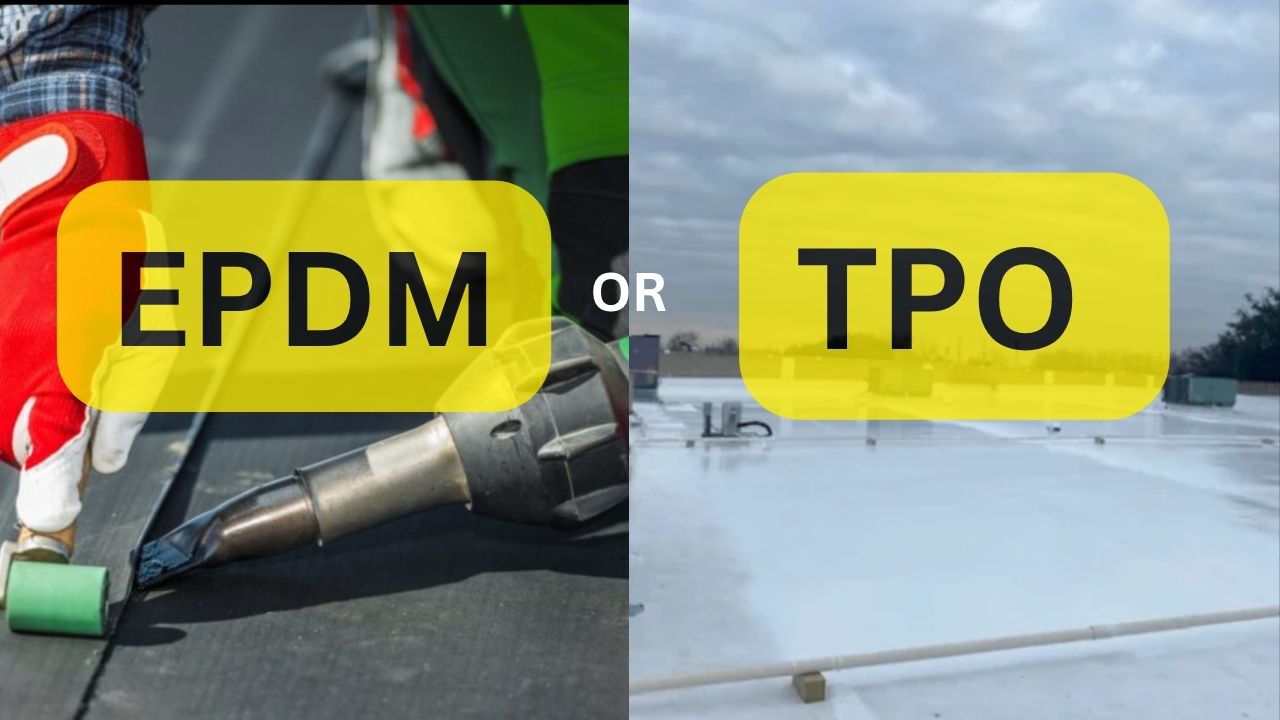
Roofs expand during the day, contract at night, and absorb constant moisture. EPDM relies on adhesives that soften under those conditions. TPO relies on welded seams that stay bonded.
That single difference quickly becomes the deciding factor in long-term survival.
How Houston’s Heat Impacts these Two Roofing Systems
Heat impacts TPO and EPDM differently. EPDM absorbs heat because of its dark surface, which pushes rooftop temperatures even higher during summer. These temperatures place more strain on the membrane and on HVAC systems below it.
TPO reflects heat, leading to significantly cooler rooftop conditions. This reduces expansion stress, slows aging, and supports lower energy costs.
For Houston’s extreme heat cycles, the performance difference becomes noticeable within the first few summers.
The Role Humidity Plays in Weakening EPDM
Humidity plays a major role in weakening EPDM because it interacts with its adhesive-based seams. Moisture slowly breaks down those bonds and allows water to travel beneath the membrane.
The damage often stays hidden until internal leaks appear.
TPO’s welded seams do not rely on adhesives, which helps the membrane stay tight, even on humid nights and during storm season. This makes TPO more stable in environments where high humidity is constant.
Energy Efficiency: The Benefit Few Owners Calculate Correctly
Energy efficiency often becomes a deciding factor once owners compare the real numbers.
TPO runs cooler and reduces HVAC strain.
Its reflective surface lowers rooftop temperatures and cuts cooling demand. This benefit shows up every summer on large commercial spaces.
EPDM absorbs heat and increases energy load.
Even when new, EPDM raises rooftop temperatures significantly. That extra heat moves straight into the building.
For properties with heavy AC usage or large footprints, the energy difference alone can justify choosing TPO.
Durability in Real Houston Weather Conditions
Durability in Houston weather depends heavily on how the membrane reacts to storms and rapid temperature swings.
EPDM struggles with seam lifting, adhesive softening, and shrinkage over time. These issues appear faster in cities with humidity levels like Houston.
TPO handles movement better because its seams stay fused, and the membrane stays flexible even during severe weather shifts.
These differences become more obvious as the system ages.
Long-Term Costs That Facility Managers Care About
The long-term costs that facility managers care about often go beyond installation price.
- TPO creates fewer leak repairs.
Welded seams reduce the number of potential entry points for water. - TPO installs faster on large buildings.
Crews complete sections quickly, even in short weather windows. - EPDM develops seam failures that accumulate repair costs.
Each repair may seem minor, but the total adds up over time.
When long-term predictability is the priority, TPO often becomes the more economical choice.
Installation Skill Changes the Outcome for Both
Installation skill changes the outcome for both systems, but the margin for error is different.
EPDM requires clean, dry conditions, perfect adhesive timing, and flawless surface preparation. Houston’s humidity complicates all three.
TPO demands correct weld temperatures and proper insulation alignment. When done right, it holds together tightly for years.
Contractors who understand Houston conditions produce better results regardless of the membrane, but TPO gives them more room to create a stable, long-lasting system.
Where Each Roof Performs Best
TPO makes the most sense for roofs exposed to heavy sun, rising cooling costs, and areas with frequent humidity. It performs best on large commercial buildings, warehouses, and medical facilities that rely on stable interior temperatures.
EPDM may still be practical for shaded areas, cooler climates, or low-budget projects where energy use is minimal. In Houston, those conditions are rare.
Most facility managers choose TPO once they understand how quickly EPDM ages in this environment.
Performance Patterns With EPDM All Across Houston
Performance patterns seen across Houston follow the same trend.
- EPDM shrinks over time.
- Adhesives loosen under heat and moisture.
- Storms create more seam-related problems.
TPO avoids those patterns by relying on welded seams and a flexible membrane that adapts to temperature swings.
These patterns repeat consistently across buildings of every size.
Why TPO Works Better for Active Facilities
TPO works better for active facilities because the installation disrupts operations less than EPDM installations.
- Crews can work in short windows.
- There are no strong odors.
- Materials are light and easy to move.
- Repairs are clean and quick to complete.
This matters for buildings that cannot slow down to accommodate construction.
A System That Stays Reliable When the Weather Doesn’t
A system that stays reliable when the weather does not is what Houston buildings need most.
TPO provides that reliability by staying cool, staying bonded, and staying stable through constant climate pressure.
Commercial Roof Repair Solutions installs TPO with the level of precision Houston conditions require, helping owners and managers get dependable results with fewer long-term issues.
If your building needs a replacement, repair, or full evaluation, they are ready to assess the roof and explain the best path forward without pressure.
About The Commercial Roofing Specialist

Chris Jokerst – Houston’s Trusted Commercial Roof Repair Specialist
When it comes to protecting your business, your roof isn’t just another structure—it’s your first line of defense. For over 16 years, Chris Jokerst, owner of Commercial Roof Repair Solutions in Houston, TX, has built a reputation as a true expert in commercial roofing repair and roof restoration.
With millions of square feet of commercial roofing systems installed and countless repairs completed, Chris has earned the trust of property owners and managers across Houston and beyond.
Experience That Speaks for Itself
Chris began his career the old-fashioned way—by learning from seasoned roofing professionals and putting in years of hands-on work. From apprenticeships to leading major projects, he developed a deep understanding of what makes a roofing system last. Today, he brings that same dedication to every job, whether it’s a small leak repair or a full commercial roof replacement.
Why Houston Businesses Choose Chris
* Proven Expertise: 16+ years specializing in commercial roofing repair and roof restoration.
* Dependability: Fast, effective solutions that minimize downtime and prevent costly damage.
* Honesty & Integrity: Transparent recommendations with your best interest in mind.
* Quality First: Only the highest-grade materials and modern techniques.
Chris understands that a roof leak is more than an inconvenience—it’s a threat to your business operations and bottom line. That’s why he approaches every project with precision, urgency, and a commitment to excellence.
Questions about your roof? Call Commercial Roof Repair Solutions at (281) 928-4428 for friendly guidance or a free, no-obligation quote.
